# How Workforce Intelligence Supports Smarter Workforce Planning
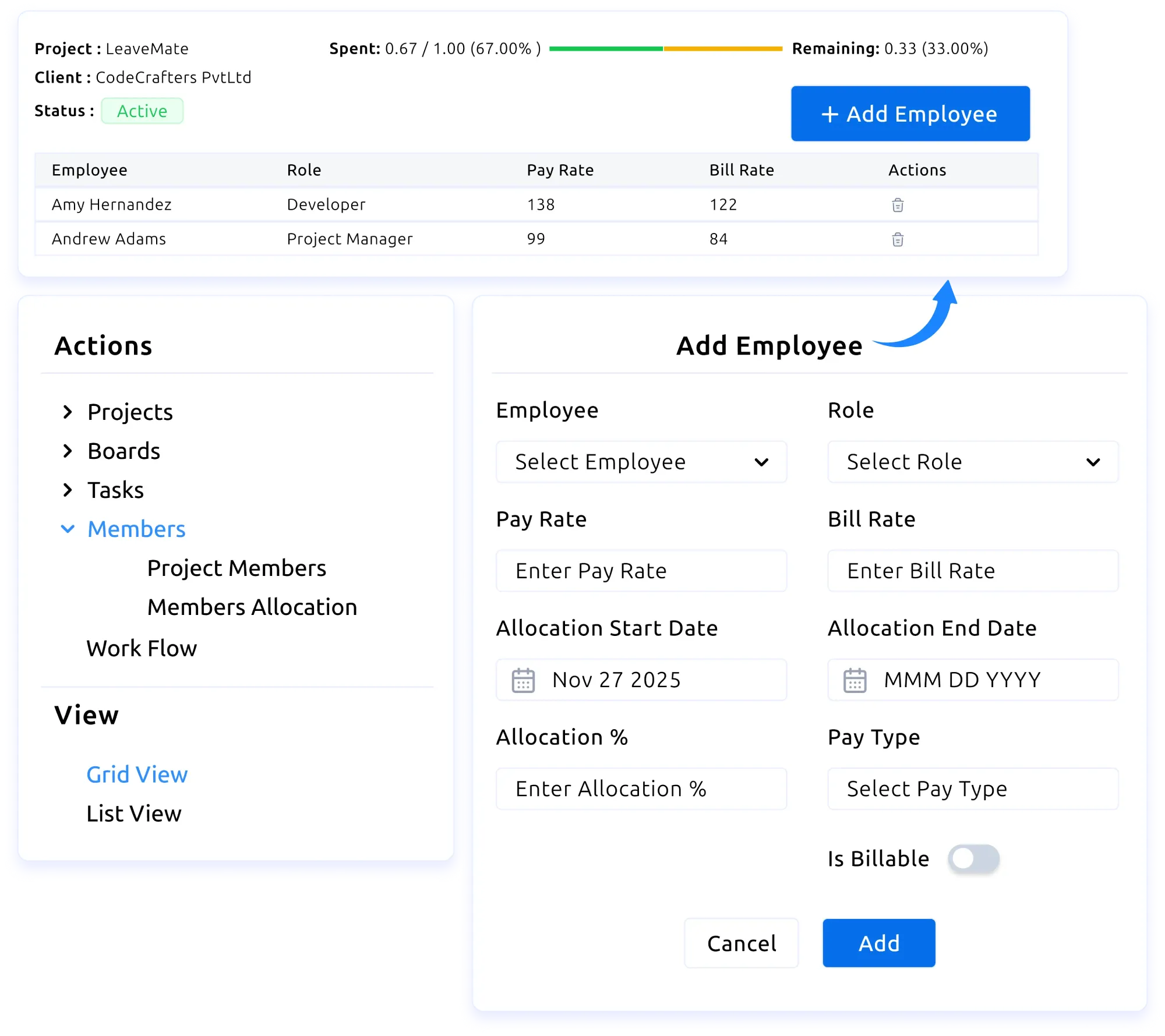
Workforce planning is no longer a simple exercise of forecasting headcount or filling open roles. Modern organizations operate in fast-changing environments shaped by remote work, evolving skill demands, economic uncertainty, and rising expectations for productivity. To plan effectively in this landscape, businesses need more than historical HR data, they need continuous, real-time insight into how work actually happens.
This is where workforce intelligence software becomes essential. By transforming workforce activity data into actionable intelligence, organizations can plan their workforce with greater accuracy, agility, and confidence.
## Understanding Workforce Intelligence in a Modern Workplace
Workforce intelligence is the practice of analyzing employee work patterns, time utilization, productivity trends, and behavioral data to understand workforce performance at a deeper level. Unlike traditional HR analytics that focus on static metrics such as attendance or headcount, workforce intelligence provides dynamic insight into how employees work, where time is spent, and what impacts productivity.
A robust **[workforce intelligence software](https://www.timechamp.io/)** consolidates data from time tracking, task progress, application usage, and productivity metrics into a single system. This unified view allows leaders to move beyond assumptions and make evidence-based workforce decisions.
## The Growing Complexity of Workforce Planning
Workforce planning challenges are more complex than ever. Organizations must manage a mix of in-office, remote, and hybrid employees while ensuring productivity, engagement, and cost efficiency. Relying on manual reports or outdated workforce models often leads to poor planning decisions, such as overstaffing certain teams while others remain overburdened.
Workforce intelligence software addresses this complexity by delivering real-time visibility into workforce behavior, helping organizations align people strategy with business objectives.
## How Workforce Intelligence Software Enables Smarter Workforce Planning
### 1. Workforce Capacity and Utilization Analysis
One of the biggest advantages of workforce intelligence software is its ability to measure true workforce capacity. By analyzing how employees allocate their time across tasks and projects, organizations can identify underutilization, burnout risks, and productivity gaps.
This enables leadership teams to:
* Balance workloads more effectively
* Reduce dependency on unnecessary hiring
* Improve utilization of existing talent
### 2. Data-Driven Hiring and Headcount Decisions
Hiring decisions based solely on projected growth or intuition often lead to inflated costs or misaligned teams. Workforce intelligence software provides historical productivity and workload trends that support accurate forecasting.
With these insights, organizations can determine:
* When hiring is truly required
* Which roles deliver the highest business impact
* Whether automation or process optimization can replace additional headcount
### 3. Identifying Skill Gaps and Development Opportunities
Workforce planning is not only about numbers it is also about skills. Workforce intelligence software highlights patterns in task execution, performance bottlenecks, and workflow inefficiencies, helping organizations uncover hidden skill gaps.
* These insights allow businesses to:
* Invest in targeted training programs
* Improve internal mobility and upskilling
* Build future-ready teams without excessive recruitment
### 4. Supporting Distributed and Hybrid Workforces
Managing productivity across remote and hybrid teams can be challenging without visibility. Workforce intelligence software provides objective, data-backed insights into work patterns across locations, enabling fair and consistent planning.
Instead of micromanaging employees, organizations gain clarity into outcomes, focus time, and productivity trends supporting flexible work models while maintaining accountability.
### 5. Scenario Planning and Future Workforce Forecasting
Effective workforce planning requires preparing for multiple business scenarios. Workforce intelligence software enables organizations to simulate different outcomes based on productivity trends, workload changes, and business growth.
This allows leadership teams to:
* Plan for expansion or contraction with minimal disruption
* Align workforce strategy with long-term business goals
* Respond quickly to market changes using real-time data
## Strategic Benefits of Workforce Intelligence Software
Organizations that adopt workforce intelligence software gain more than operational visibility, they gain strategic control. By integrating workforce insights into planning processes, businesses can improve decision-making, reduce inefficiencies, and create a more resilient workforce.
Key benefits include:
* Improved workforce agility
* Higher productivity without increased labor costs
* Better alignment between workforce strategy and business outcomes
* Reduced burnout and improved employee experience
## Conclusion
Smarter workforce planning requires more than spreadsheets and assumptions. It requires accurate, real-time insight into how work is performed across the organization. Workforce intelligence software empowers organizations to plan with clarity, optimize workforce performance, and adapt to change with confidence.
As the future of work continues to evolve, workforce intelligence software will remain a foundational tool for organizations seeking sustainable growth, operational efficiency, and strategic workforce planning.